- All
- Product Name
- Product Keyword
- Product Model
- Product Summary
- Product Description
- Multi Field Search
- Product private attributes
Views: 300 Author: Site Editor Publish Time: 2026-10-28 Origin: Site
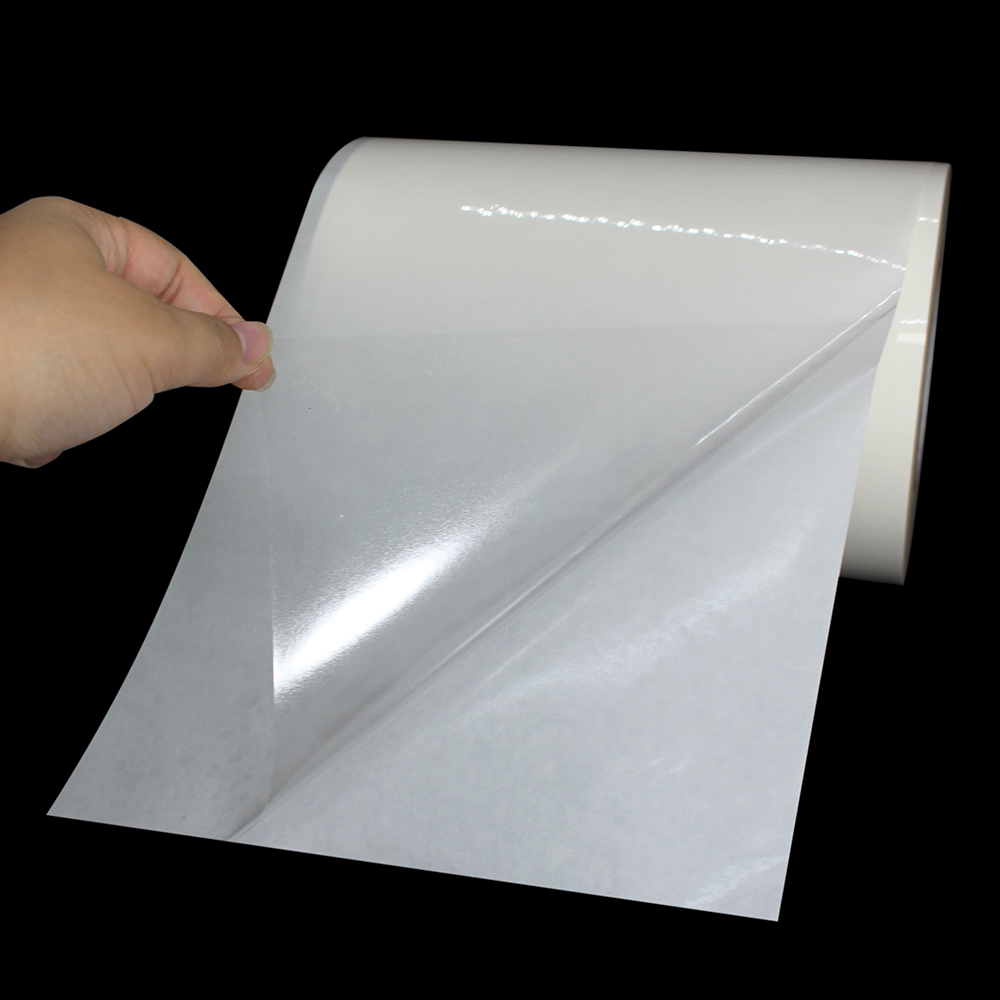
Clear PP (Polypropylene) label stock, also widely known as transparent BOPP film, is one of the most popular film facestocks in self-adhesive labeling. Unlike paper label materials, it is non-absorbent, crystal transparent and chemically stable, famous for the premium “no-label look” that makes graphics appear printed directly on the container surface. Many brand owners choose clear PP when they do not want an opaque white background to block the bottle texture, product color or original packaging design.
Gloss clear PP delivers high light transmittance. When applied on transparent glass, PET or HDPE bottles, the label blends seamlessly with the package. This minimalist aesthetic dominates cosmetic, beverage, essential oil and craft food packaging. For color printing on clear PP, white ink underlay is usually required to make colors solid and vibrant; otherwise, patterns will be faint and affected by the color underneath the container.
PP film does not soak up water. It stays flat without wrinkling or blistering under condensation, cold storage or frequent wiping. It works far better than paper facestock for cold-chain products, shower gels, edible oil and cleaning supplies exposed to water splash and oil stains.
Clear PP has good tensile strength, stable dimensional stability and excellent die-cutting & waste stripping performance. It is less brittle than PET and cheaper than polyester film, making it a cost-effective film option. Standard clear PP can be processed on most rotary die-cutters and high-speed automatic labeling machines.
Standard grade clear PP supports service temperature from -20°C to +80°C, suitable for refrigerated goods and normal indoor storage. Special freezer-grade adhesive combinations can meet deep-freeze labeling requirements. It is important to match the adhesive grade with your application temperature and substrate (glass, PP, PE, PET) to avoid label falling off or lifting at edges.
Clear PP needs corona treatment and top coating to hold ink firmly. Qualified clear PP stock supports UV flexo, UV digital inkjet, thermal transfer, screen printing and offset printing. For thermal transfer printing, resin or mixed ribbon is recommended; wax ribbon will scratch easily on film surfaces.
Clear PP normally pairs with transparent acrylic adhesive, to keep the whole label fully transparent and avoid yellow glue spots.
- Permanent clear acrylic: Most common for cosmetic bottles, beverage packaging
- Removable clear adhesive: For promotional labels, test packaging, easy clean removal without residue
- Freezer adhesive: For cold food, ice cream, refrigerated beverage
Liner choices: Glassine, CCK, or clear PET liner. Clear PET liner is preferred for “clear-on-clear” applications, so you can inspect glue uniformity and avoid grey liner shadows affecting transparency presentation.
Clear PP is not for every scenario:
1. It is not stretchable. Do not use it on highly flexible squeezable soft tubes, it may bubble or lift when the container deforms.
2. Without proper corona treatment, ink will dewet and peel off after printing. Always check surface energy from the TDS.
3. The no-label effect is only perfect on smooth, clean transparent containers. Dark-colored opaque bottles will weaken this visual advantage.
4. It is not high-temperature resistant like PET; avoid continuous use above 80℃ unless special modified PP grade is selected
- Cosmetics, skincare, perfume and essential oil glass bottles
- Mineral water, juice, wine and spirit transparent bottles
- Cold food, dairy and refrigerated packaged goods
- Household cleaners, hand wash and transparent plastic containers
- Premium handmade products, gift packaging with minimalist branding
Clear PP label stock strikes a sweet spot between beautiful appearance, durability and cost. If your brand pursues clean, minimalist transparent packaging, or your products face moisture, oil and cold environments, clear PP is usually the first material to evaluate. Together with the right transparent adhesive and printing process, it can create that eye-catching premium no-label effect that paper labels simply cannot achieve.